
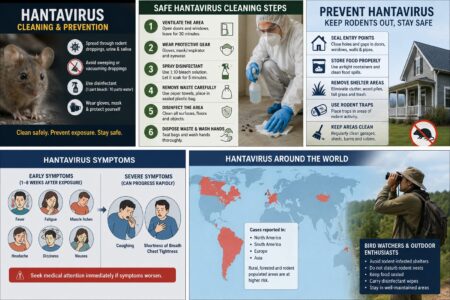
Hantavirus is an extremely serious virus that is spread by contact with rodents infected and their urine, droppings or saliva. Although it is rare however, it can be dangerous if not recognized and treated in time. Cleanliness methods that are effective as well as preventative measures are crucial to minimize the risk of infection, particularly in storage spaces, homes and cabins, farms, and in outdoor areas.
In this comprehensive guide, you’ll discover everything you need to know about hantavirus cleansing and prevention, symptoms, treatment and transmission as well as safety methods.
What Is Hantavirus?
Hantavirus Pulmonary Syndrome is a condition caused by hantaviruses that are carried by rodents. Humans may contract the disease if they breathe in virus-laden particles in dust that have been contaminated or get in contact with rodent waste.
There are many varieties of hantaviruses across the globe. Within North as well as South America, hantavirus can cause severe respiratory disease known as Hantavirus-related Pulmonary Syndrome (HPS). For Europe and Asia certain strains can affect kidneys.
How Hantavirus Spreads
Hantavirus can be spread through rodents, such as Cotton rats, mouse deer or white-footed mice. The virus can be spread through air when rodent feces or urine is removed in the course of cleaning.
Common Ways Infection Happens
- Vacuuming or sweeping rodent feces
- Cleaning sheds and buildings
- Contacting surfaces that are contaminated
- Exhaling contaminated dust
- Handling infected rodents
- Staying in or camping out areas that are roosting
Hantavirus Cleaning Guidelines
Cleaning properly is among the most effective methods to avoid hantavirus infections. Insecure cleaning techniques could increase the risk of exposure to airborne virus.
Also Read: Who Is Savannah Lee May? Know More About The Julie And The Phantoms Star
What You Should NOT Do
Avoid these hazardous cleaning techniques:
- Do not clean up dry feces
- Do not clean up contaminated areas.
- Don’t stir dust
- Do not handle rodent waste with your hands.
These actions could release virus particles into air.
Safe Hantavirus Cleaning Steps
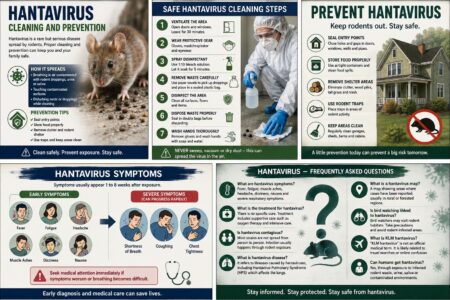
1. Ventilate the Area
Before cleaning:
- Doors and windows that are not closed
- Be sure to leave the area for at a minimum of 30 minutes
- Let fresh air circulate
2. Wear Protective Gear
Use:
- Gloves made of latex or rubber
- A respirator or face mask
- Protective eyewear if necessary
3. Spray Disinfectant
Make sure to thoroughly spray:
- Rodent droppings
- Urine staining
- Dead rodents
- Materials for nesting
Utilize household disinfectants as well as a bleach-based solution
- 1 part bleach
- 10 parts water
Allow it to soak for at minimum 5 minutes.
4. Carefully Remove Waste
Utilize paper towels to clean the contaminated materials. Place the waste in a plastic bag.
5. Disinfect the Entire Area
Clean:
- Floors
- Countertops
- Storage areas
- Walls
- Equipment and tools
6. Dispose of Waste Properly
Cover the contaminated material with two plastic bags, then dispose them properly.
7. Wash Hands Thoroughly
After cleaning:
- Remove gloves with care
- Cleanse hands using some soap and water, for at minimum 20 seconds
Hantavirus Prevention Tips
Eliminating rodents from your space is the most effective protection against hantavirus.
Seal Entry Points
The gap and the holes around:
- Doors
- Windows
- Pipes
- Roofs
- Foundations
Even tiny gaps can let mice into.
Store Food Properly
- Use airtight containers
- Keep pet food sealed
- Clean up food spills as soon as they occur.
Remove Rodent Shelter Areas
Reduce clutter around homes:
- Wood piles
- Trash
- Tall grass
- Unused boxes
Use Rodent Traps
Install traps around areas in which activity from rodents is evident.
Avoid touching rodents directly.
Keep Outdoor Areas Clean
Maintain:
- Garages
- Barns
- Sheds
- Cabins
- Campsites
Regular inspections can help prevent the spread of infestations.
Hantavirus Symptoms
The symptoms of Hantavirus infection usually show up between 1 and 8 weeks following exposure.
Early Symptoms
- Fever
- Fatigue
- Muscle pains
- Headache
- Dizziness
- Chills
- Nausea
Severe Symptoms
As the disease advances:
- Breathing problems
- Coughing
- Chest tightness
- Breathing difficulties
Respiratory symptoms that are severe need immediate medical attention.
Hantavirus Treatment
There is currently no antiviral treatment that is specific to the hantavirus. However, timely medical treatment will significantly increase the chances of survival.
The Masterminds Behind the Fizz: Unpacking “Soda Pop” from KPop Demon Hunters
Treatment May Include
- Oxygen therapy
- Intensive care support
- Mechanical ventilation
- Fluid management
The early diagnosis is crucial.
Hantavirus Disease
Hantavirus Pulmonary Syndrome is considered as a serious illness due to its rapid impact on the lungs and respiratory system.
The illness may develop quickly from flu-like symptoms, to severe respiratory anxiety.
Though it is not common, hantavirus does have the highest rate of fatality in cases of severe severity.
Hantavirus in Humans
The Hantavirus infection is most often triggered by exposure to rodent waste infected by the virus.
People at higher risk include:
- Farmers
- Campers
- Construction workers
- Pest control workers
- Warehouse employees
- Rural residents
Anyone who is cleaning areas infested by rodents must be following the correct safety protocols.
Sunwin Sunwinclubsc: Unveiling the Controversy
Is Hantavirus Contagious?
Many people inquire if the hantavirus virus is infectious.
In the majority of cases the hantavirus virus is not transmitted from individual to individual. Humans typically contract it after contact with rodents.
However, a few rare strains found in South America have shown limited human-to-human transmission.
Hantavirus Map and Geographic Spread
Four Corners region became widely recognized after the first hantavirus outbreaks in the 1990s.
The cases have been reported to:
- United States
- Canada
- South America
- Europe
- Asia
Forested and rural regions that have rodent populations are at a greater risk.
Hantavirus and Bird Watching
Outdoor enthusiasts frequently search for information about hantavirus birds watching dangers.
Bird watchers could come across rodents’ habitats when:
- Hiking
- Camping
- Exploring forests
- Going to cabins
- Using observation shelters
Safety Tips for Bird Watchers
- Avoid rodent-infested shelters
- Don’t disturb nests of rodents.
- Use wipes to disinfect your area.
- Beware of sleeping in unkept cabins
- Make sure food items are kept in a sealed container when you go on outdoor excursions.
Nature lovers need to be careful in areas that are remote.
Delving Deep into the The Meshgamecom Phenomenon
What Is KLM Hantavirus?
There are some users who search for “KLM Hantavirus” frequently connected to travel or health related to flights. There isn’t a acknowledged disease known as KLM Hantavirus. The word is often associated with travel-related discussions about airport security, travel concerns or internet search misinformation with hantavirus-related exposure when traveling internationally.
Travelers should be aware of rodents being exposed at campsites, cabins or in rural accommodations, as well as storage facilities.
Who Is Most at Risk?
Higher-risk groups include:
- Farmers
- Field workers
- Campers
- Rural homeowners
- Pest control experts
- Warehouse workers
- Forestry workers
Anyone working in areas that are prone to rodents or dust must be extra cautious.
Unveiling the Joyful Spirit of Vanocni Nakup New York
How to Protect Your Home From Rodents
Indoor Prevention
- Seal food containers
- Keep kitchens clean
- Eliminate clutter
- Repair leaks
- Make sure to use traps frequently
Outdoor Prevention
- Trim vegetation
- Keep firewood out of the house
- Bins for garbage that are safe
- Eliminate nesting materials that have been abandoned
When to See a Doctor
Seek medical attention immediately if you experience:
- Fever after rodent exposure
- Severe breathing difficulty
- Aches and muscle pains that are persistent
- Chest tightness
Early intervention could help save lives.
Frequently Asked Questions (FAQs)
What are the signs of hantavirus?
The most common symptoms of hantavirus are fatigue, fever muscles pain, nausea, headache, dizziness and breathing problems.
What is the best treatment for Hantavirus?
There isn’t a specific treatment however supportive medical treatment like oxygen therapy and intensive care can increase the chance of recovery.
Are hantavirus and hantavirus inseparable?
The majority of hantavirus strains aren’t infecting humans. The majority of cases are caused by exposure to rodents.
What is the Hantavirus disease?
The term “hantavirus” refers to diseases caused by hantaviruses. This includes serious respiratory infections such as the Hantavirus-related Pulmonary Syndrome.
Are humans susceptible to catching hantavirus easily?
Humans are susceptible to contracting the virus due to exposure to rodent waste, particularly when cleaning up in unsanitary ways.
What is a hantavirus-related map?
A map of the hantavirus reveals areas in which cases have been observed, mostly in areas of forested or rural regions that have rodent populations.
Are birdwatching and Hantavirus?
Bird watchers might encounter rodents in the outdoors however, the right precautions can drastically minimize the risk.
What exactly does KLM Hantavirus mean?
“KLM Hantavirus” is not a term used in medical practice and is typically associated with search engine results for travel or confusion.
Final Thoughts
Hantavirus is not common, but could be hazardous. Knowing safe cleaning methods and methods to prevent rodents is crucial to protect both your loved ones and yourself. If you’re cleaning up a storage space or camping in the outdoors or bird watching and working in a farming site, the proper measures can greatly reduce the risk.
The most important aspect of hantavirus prevention is as simple as:
- Avoid rodent exposure
- Clean safely
- Use disinfectants
- Wear protective gear
- Take care to seek medical attention early if symptoms begin to manifest.
Prevention and awareness are the most effective way to protect yourself from the hantavirus disease.